What Does Negative Ghost Rider Mean? A Simple Guide
You’ve probably heard someone say, “Negative Ghost Rider,” and thought, What on earth does that mean? It’s one of those phrases that sounds mysterious, maybe even cinematic, and yet pops up in everyday conversation or online discussions. If you’re curious about its meaning, origin, and usage, you’re in the right place. Let’s break it down in plain, human-friendly terms.
The Origin of “Negative Ghost Rider”
The phrase “Negative Ghost Rider” comes from pop culture—specifically the 1986 movie Top Gun. In the film, fighter pilots use colorful, radio-friendly slang when communicating during high-stakes missions.
Full phrase in context: A pilot would say “Negative, Ghost Rider, the pattern is full” over the radio.
Meaning in the movie: It was a way to communicate a clear “no” or refusal, often in a dramatic or witty way.
Why it stuck: The line was memorable, catchy, and fit perfectly with the movie’s adrenaline-fueled tone.
Essentially, it became shorthand for “No, that won’t work” or “Not happening.”
What Does Negative Ghost Rider Mean Today?
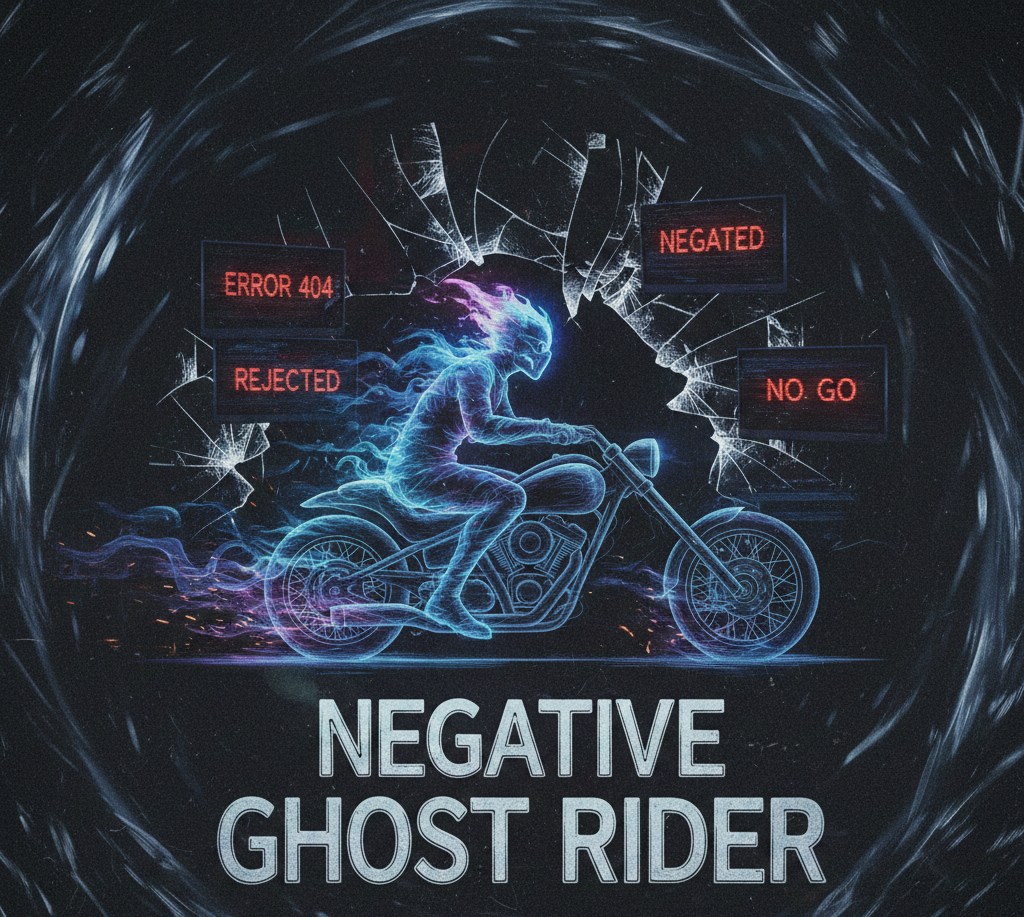
Outside of Top Gun, people have adopted “Negative Ghost Rider” in everyday speech, especially online. While it retains its original meaning of “no” or “that’s not going to work,” it’s often used humorously or sarcastically.
Some common scenarios:
Rejecting an idea: “Can we finish the project in one hour?” — “Negative Ghost Rider, that’s impossible.”
Setting boundaries: “Do you want me to drive through the storm?” — “Negative Ghost Rider, I’m not risking that.”
Humorous exaggeration: Sometimes people just add it for comic effect, even if a simple “no” would suffice.
In short, it’s a fun, quirky way to say “no” while giving a nod to pop culture.
Related Phrases and Variations
Over time, “Negative Ghost Rider” has inspired a few variations:
Affirmative Ghost Rider: Rare, but sometimes used jokingly to say “yes.”
Ghost Rider references in memes: People often pair it with funny images or situations online.
General pop culture shorthand: The phrase has become part of a larger internet lexicon of movie-based expressions.
These variations keep the phrase alive and relevant, even decades after its original debut.
Why People Love Using It
You might wonder why anyone would go through the trouble of saying “Negative Ghost Rider” instead of a simple “no.” Here’s why:
It’s nostalgic: Fans of Top Gun enjoy the reference.
It’s dramatic: The phrasing adds flair and personality to a simple refusal.
It’s humorous: It lightens the mood while still communicating the message clearly.
It’s internet-friendly: Perfect for memes, tweets, and casual online conversation.
FAQs About Negative Ghost Rider
Q1: Can “Negative Ghost Rider” be used seriously?
Yes, but it’s usually understood as playful or pop culture-driven. In serious business or legal contexts, it might sound out of place.
Q2: Where did the term originate?
It originated from the 1986 movie Top Gun, where pilots used it in radio communication.
Q3: Is “Negative Ghost Rider” the same as saying no?
Exactly. It’s a stylized, often humorous way to say no, decline, or reject an idea.
Q4: Can I use it in texts or social media?
Absolutely! It’s perfect for memes, chats, and posts where a playful tone is appropriate.
Also Read: Bearer or Barer: Which One Is Correct?
Conclusion
So, what does ghost rider mean? Simply put, it’s a fun, cinematic way to say “no” or indicate something isn’t going to happen. Born in Top Gun, it’s crossed over into everyday speech and internet culture, adding humor, flair, and nostalgia to the act of refusal. Next time you want to decline something with a bit of style, you know exactly what to say: “Negative Ghost Rider.”
Remember, language is more than words—it’s personality, culture, and a touch of fun. And in this case, a classic movie line became a timeless expression that still makes people smile.