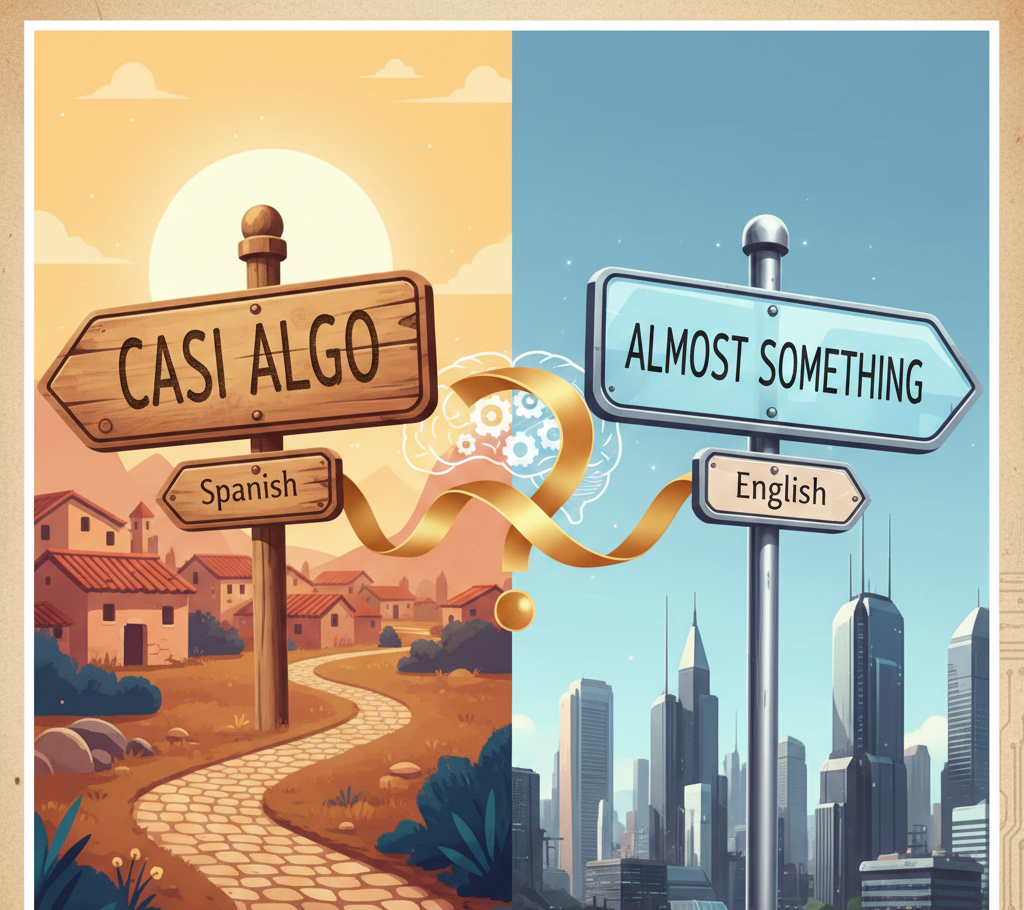
Have you ever come across the phrase “casi algo” in Spanish and wondered what it really means in English? You’re not alone. This short expression might seem simple, but its meaning can be surprisingly nuanced depending on the situation. In this article, we’ll break down casi algo meaning in English, explore its usage, and give you tips on how to use it like a native speaker.
What Does “Casi Algo” Mean in English?
Literally translated, “casi algo” means “almost something”. But language is rarely that literal. In conversational Spanish, the phrase is often used to describe a situation, relationship, or action that is almost happening but hasn’t fully occurred.
For example:
-
Spanish: “Tenemos casi algo, pero aún no somos novios.”
-
English: “We have almost something, but we’re not officially a couple yet.”
Here, casi algo refers to a relationship that’s in-between—more than friendship, less than dating. It captures that gray area in a way English sometimes struggles to express in one simple phrase.
Common Contexts for “Casi Algo”
1. Relationships
The most frequent use of casi algo is in romantic contexts. It often describes a budding relationship that isn’t fully defined.
Examples:
-
“Estoy saliendo con alguien, pero es casi algo.” → “I’m seeing someone, but it’s almost something.”
-
“Es casi algo serio, pero todavía estamos conociéndonos.” → “It’s almost serious, but we’re still getting to know each other.”
2. Opportunities or Projects
Sometimes casi algo can describe situations outside romance, like projects or opportunities that are almost finalized.
Examples:
-
“El trato es casi algo, solo falta firmar el contrato.” → “The deal is almost something, we just need to sign the contract.”
-
“Mi proyecto está casi algo, pero necesito un poco más de tiempo.” → “My project is almost there, but I need a little more time.”
How to Use “Casi Algo” Naturally in English
While “almost something” works literally, native English speakers often prefer phrases that capture the feeling more naturally:
-
“Almost there” – for progress or projects
-
“On the verge of something” – for opportunities or ideas
-
“It’s complicated” – commonly for relationships
-
“A little more than friends” – when talking about romantic situations
By using these alternatives, you can convey the nuance of casi algo without sounding awkward in English conversation.
Tips for Mastering “Casi Algo”
-
Pay attention to context: Romance vs. work situations change how you translate it.
-
Use tone carefully: Often, casi algo carries an emotional weight, especially in relationships.
-
Combine with other expressions: Adding phrases like “we’re close to…” or “almost” can make your English sound natural.
FAQs About “Casi Algo Meaning in English”
Q1: Can “casi algo” be used for friendships?
Yes, but it’s less common. It usually implies a relationship that’s moving beyond friendship without being fully defined.
Q2: Is “casi algo” formal or informal?
It’s informal and conversational. You’ll hear it in casual speech rather than professional writing.
Q3: What’s the best English equivalent for “casi algo” in a romantic context?
Phrases like “we’re almost together,” “it’s complicated,” or “a little more than friends” capture the sentiment well.
Q4: Can it refer to projects or work?
Absolutely. In these cases, “almost finalized” or “almost there” works best.
Q5: Is “almost something” ever used literally?
Yes, but it can sound awkward in everyday conversation. It’s usually better to adapt it to context.
Conclusion
Understanding casi algo meaning in English helps bridge the gap between literal translation and natural expression. Whether you’re talking about a romantic situation or a nearly finished project, the key is to capture the in-between nature of the phrase. Next time you hear someone say “casi algo”, you’ll know exactly what they mean—and you can respond in a way that sounds both fluent and natural.
Now that you know this handy phrase, try using it in conversation or explore similar expressions in Spanish to keep improving your bilingual skills!
About the Author