Best Electric Toothbrush
Best Electric Toothbrush
Why Choosing the Best Electric Toothbrush Changes Everything
Finding the best electric toothbrush is about more than just a shiny gadget in your bathroom. It is about investing in your long-term health and confidence. When you switch from a manual brush to a high-quality electric one, you feel the difference immediately. Your teeth feel “dentist-clean” every single morning. This happens because electric motors can move the brush heads thousands of times per minute. Manual brushing simply cannot keep up with that kind of power. Most people find that their gums look pinker and healthier within just two weeks of making the switch. It is a small change that brings massive rewards for your self-esteem and your medical bills.
Many people wonder if the cost is truly worth it for a premium device. Think of it this way: a single cavity filling or a deep cleaning session at the dentist costs much more than a great toothbrush. The best electric toothbrush acts like a daily insurance policy for your mouth. It removes up to 100% more plaque than a standard brush, reaching those tricky spots behind your back molars. Plus, modern brushes come with pressure sensors. These little lights tell you if you are pressing too hard, which protects your enamel from wearing down. It is like having a tiny dental coach living in your toothbrush handle.
The Big Battle: Sonic vs. Oscillating Technology
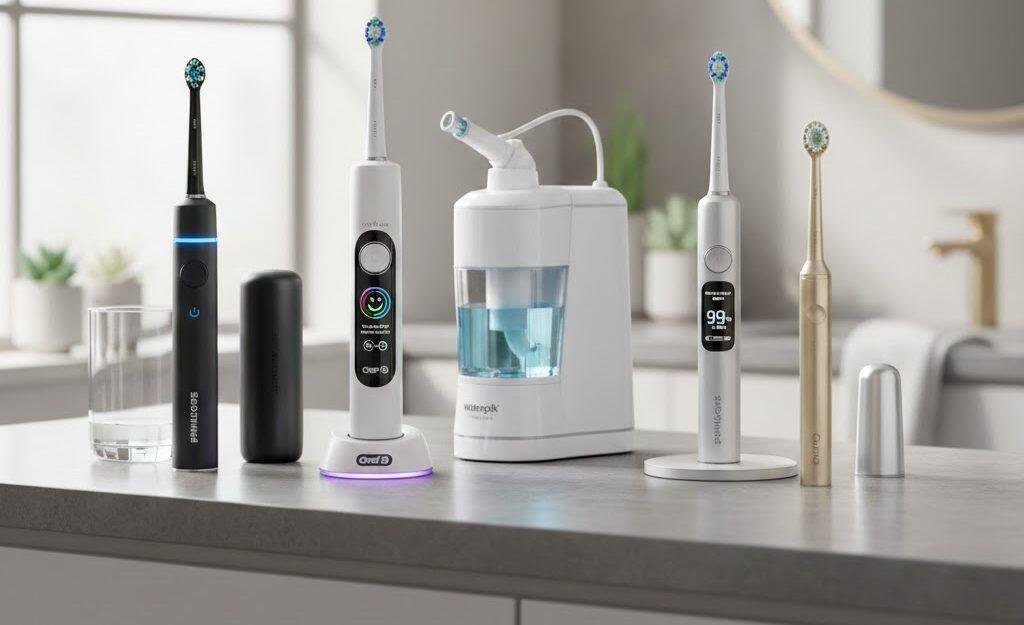
When you start looking for the best electric toothbrush, you will see two main types of technology. The first is “Sonic” technology, which uses high-speed vibrations to break up plaque. These brushes move side-to-side so fast that they create tiny bubbles. These bubbles push water and toothpaste between your teeth and under the gum line. It feels like a gentle humming sensation in your mouth. People with sensitive teeth often prefer sonic brushes because they feel less aggressive. Brands like Philips Sonicare lead the way here, offering a sleek design that many users find very comfortable for daily use.
On the other side of the ring, we have “Oscillating-Rotating” technology. This is what you see with brands like Oral-B. These brushes have small, round heads that spin and pulse at the same time. This circular motion mimics the tools your dental hygienist uses during a professional cleaning. Many clinical studies suggest that this rotating action is slightly better at removing stubborn plaque buildup. However, it can feel a bit more “bumpy” or loud compared to sonic versions. Choosing the best electric toothbrush for your needs depends on which sensation you prefer. Both will give you a much better clean than any manual brush ever could.
| Feature | Sonic Technology | Oscillating Technology |
|---|---|---|
| Brush Movement | High-speed side-to-side vibrations | Rotating, spinning, and pulsing |
| Plaque Removal | Excellent (Fluid dynamics) | Superior (Mechanical scrubbing) |
| Feel on Teeth | Gentle, vibrating sensation | Strong, rotating sensation |
| Best For | Sensitive teeth and gum health | Deep cleaning and stain removal |
| Popular Brand | Philips Sonicare | Oral-B iO Series |
| Noise Level | Very quiet hum | Moderate mechanical sound |
Top Features to Look for in a Premium Power Brush
The best electric toothbrush should always include a built-in timer. Dentists recommend brushing for a full two minutes, but most people only last about 45 seconds without a timer. A good brush will pulse every 30 seconds to tell you it is time to move to a different part of your mouth. This ensures you give equal attention to the top, bottom, left, and right sides. Another “must-have” feature is a rechargeable battery that lasts at least two weeks. Nobody wants their brush to die in the middle of a vacation. Lithium-ion batteries are the gold standard for keeping a strong charge over several years.
Beyond the basics, look for various cleaning modes. While most people stick to the “Daily Clean” setting, having a “Sensitive” or “Whitening” mode is very helpful. If you have braces or dental implants, look for specialized brush heads designed for those needs. The best electric toothbrush today often includes Bluetooth connectivity too. While it might sound silly to have a toothbrush that talks to your phone, it actually helps. The apps show you a 3D map of your mouth so you can see exactly which spots you missed. It turns a boring chore into a fun game that improves your health.
How to Protect Your Gums While Brushing
One of the most common mistakes people make is scrubbing their teeth too hard. This can lead to receding gums, which makes your teeth sensitive to cold drinks. The best electric toothbrush fixes this problem with a smart pressure sensor. If you push too hard, the brush will slow down or light up a red warning signal. This teaches you to let the bristles do the work instead of your muscles. You should just glide the brush gently across your teeth. This “soft touch” approach keeps your gums firm and prevents the painful exposure of tooth roots over time.
Healthy gums are the foundation of a beautiful smile. If your gums bleed when you brush, it is often a sign of early gingivitis. Using the best electric toothbrush consistently can reverse this. By removing the bacteria hiding at the gum line, you allow your body to heal. Within a month of proper use, most users notice their gums no longer bleed. This is a huge win for your overall health, as gum health is linked to heart health. Investing in a high-quality tool is the easiest way to ensure your smile stays strong and vibrant for decades.
Understanding Battery Life and Charging Options
When shopping for the best electric toothbrush, battery life is a huge factor for convenience. Older models used NiMH batteries, which lost their strength quickly. Today, the top-tier brushes use Lithium-ion technology. This means your brush stays powerful until the very last second of the charge. Most high-end models can go 14 to 21 days on a single charge. This is perfect for travelers who don’t want to pack extra cables. Some even come with a charging travel case that plugs into a USB port, making it easy to charge from a laptop or a car.
Charging style also matters for your bathroom aesthetic. Some brushes use a small plastic peg, while others use sleek magnetic bases. The best electric toothbrush often features “fast charging,” giving you a full session’s worth of power in just 5 or 10 minutes. If you share a bathroom, you might prefer a compact charger that doesn’t take up too much counter space. Always check if the brush has a battery indicator light. There is nothing worse than waking up, putting toothpaste on your brush, and realizing the battery is totally dead.
Why Kids Need Electric Brushes Too
Teaching children good habits is much easier with the right tools. The best electric toothbrush for kids often features bright colors and musical timers. These features turn a boring task into something kids actually look forward to doing. Small hands find it hard to move a manual brush correctly, but an electric brush does the scrubbing for them. This leads to fewer cavities and better reports from the pediatric dentist. Many “smart” brushes for kids even connect to apps where they can win virtual stickers for brushing their teeth properly every night.
Safety is the top priority for children’s dental care. The best electric toothbrush for a child will have extra-soft bristles and a smaller brush head. These are designed to fit comfortably in a smaller mouth without hitting the back of the throat. It is important to choose a model specifically designed for their age group. Using an adult brush on a child can be too powerful and might scare them away from brushing. By making it fun and easy, you set your child up for a lifetime of healthy habits and a bright, confident smile.
Maintaining Your Brush for Long-Term Use
To keep your best electric toothbrush working perfectly, you need to maintain it properly. The most important rule is to change the brush head every three months. Over time, the bristles fray and become “mushy.” Frayed bristles are not effective at removing plaque and can actually harbor bacteria. Most premium brushes have “fading bristles” that change color when it is time for a replacement. This visual reminder is great for busy people who forget to track the calendar. Keeping the handle clean is also vital; just rinse it after use to prevent dried toothpaste buildup.
Storing your brush correctly helps it last longer. Avoid keeping it in a closed, dark container where mold can grow. Instead, let it stand upright in the open air so the bristles can dry out completely. If you are using the best electric toothbrush with multiple family members, you can usually swap heads on one handle. Each person just needs their own color-coded ring or head. This is a great way to save money while giving everyone the benefit of a professional-grade clean. Just ensure the handle is wiped down between users to keep things hygienic and fresh.
Travel Tips for Your Electric Toothbrush
Traveling shouldn’t mean sacrificing your dental routine. The best electric toothbrush models usually come with a sturdy travel case. These cases protect the delicate motor and keep the bristles from getting squashed in your suitcase. If you travel internationally, check if your charger is “dual voltage.” This allows you to plug it into outlets in Europe or Asia without needing a bulky power converter. Many modern brushes now charge via USB-C, which is amazing because you can use the same cable you use for your phone or tablet.
If you are going on a short trip, you might not even need the charger at all. As mentioned before, the best electric toothbrush can last up to three weeks on one charge. Just give it a full charge the night before you leave, and you are good to go! For those who prefer a dedicated travel option, there are battery-operated “travel” electric brushes. However, these are usually less powerful than the rechargeable ones. For the best clean on the road, it is always worth making a little room for your primary home brush in your carry-on bag.
Improving Your Brushing Technique
Even with the best electric toothbrush, your technique still matters a little bit. You should hold the brush at a 45-degree angle toward your gum line. This helps the bristles reach into the small gap between your teeth and gums where plaque loves to hide. Instead of scrubbing back and forth, simply hold the brush on each tooth for a few seconds. Let the vibrations or rotations do the work. The best electric toothbrush is designed to be moved slowly from one tooth to the next, covering the front, back, and chewing surfaces of every single tooth.
Don’t forget to brush your tongue! Many of the bacteria that cause bad breath live on the surface of your tongue. Some brush heads have a special textured back designed specifically for tongue cleaning. Using the best electric toothbrush for this task is much more effective than a manual brush. It leaves your whole mouth feeling incredibly fresh. If you follow these simple steps—timing, angle, and tongue cleaning—you will maximize the benefits of your investment. Your dentist will definitely notice the improvement at your next check-up visit!
Frequently Asked Questions (FAQs)
1. Is an electric toothbrush really better than a manual one?
Yes, absolutely. Research consistently shows that the best electric toothbrush removes significantly more plaque. It also reduces the risk of gum disease more effectively than manual brushing. Because the brush does the work for you, it eliminates human error and ensures a consistent clean every time.
2. Can I use an electric toothbrush if I have sensitive teeth?
Yes, you can. Many of the top models have a specific “Sensitive” mode that reduces the speed of the vibrations. This provides a very gentle but thorough clean. Using a soft-bristle head in combination with this mode makes it very comfortable for people with tooth sensitivity.
3. How often should I replace the brush head?
You should replace the head every three months. If the bristles look flared or worn out before that, replace it sooner. Worn bristles are less effective at cleaning and can be abrasive on your gums. Most people find that the best electric toothbrush heads last exactly 90 days.
4. Are electric toothbrushes safe for dental work like crowns or braces?
They are very safe. In fact, they are often recommended for people with braces because they can clean around the brackets more effectively than a manual brush. Just be sure to use a gentle setting if you have new dental work to ensure everything stays perfectly in place.
5. How long does the battery usually last?
Most modern, high-quality electric brushes last between 14 and 21 days on a full charge. This varies by model and how often you brush. Lithium-ion batteries are the best choice for longevity and consistent power output throughout the charge cycle.
6. Do I still need to floss if I use an electric toothbrush?
While the best electric toothbrush does an amazing job cleaning your teeth, flossing is still necessary. Brushes cannot reach the tight spaces directly between your teeth where they touch. Combining a great electric brush with daily flossing is the ultimate “gold standard” for oral health.
Conclusion: Take the Leap to a Brighter Smile
In conclusion, finding the best electric toothbrush is one of the smartest moves you can make for your personal hygiene. It simplifies your morning routine while providing a level of cleanliness that manual brushing simply cannot match. Whether you choose a sonic model for its gentle vibration or an oscillating model for its deep-cleaning power, your teeth will thank you. Remember to look for key features like a two-minute timer, a pressure sensor, and long battery life to get the most value for your money.
Your smile is often the first thing people notice about you. Keeping it bright, healthy, and plaque-free boosts your confidence in social and professional settings. Don’t wait for your next dental ache to make the switch. Grab the best electric toothbrush for your lifestyle today and start enjoying that “fresh from the dentist” feeling every single day. It is a small investment that pays off in health, happiness, and fewer trips to the dentist’s chair.
About the Author